

Therapy for Children Ages 5+
Helping Children Feel Understood, Regulated, and Confident
When your child is struggling, it can be difficult to know what they need or how to help. Maybe they are having bigger emotional reactions, worrying more than usual, struggling to make friends, or behaving in ways that feel out of character. You may notice changes at home or hear that things are becoming difficult at school. Sometimes, you can tell something is wrong even when your child cannot explain what they are feeling.
At A Better Life Therapy, we offer child therapy for children ages 5 and up. Our therapists help children better understand their emotions, develop coping skills, navigate relationships, and feel more confident in themselves and their world. We also work alongside parents and caregivers, because supporting a child often means helping the whole family understand what is happening and what can make a difference.
Our approach begins with curiosity rather than judgment. Instead of looking only at a behavior, we want to understand what might be underneath it and help your child develop healthier ways to express themselves, manage difficult feelings, and feel connected to the people around them.
When Might a Child Benefit From Therapy?
Children experience many of the same emotions and challenges as adults, but they are still developing the language, awareness, and skills to understand what they feel. Sometimes, distress comes out through behavior rather than words.
Child therapy may help when your child is experiencing:
Anxiety and excessive worry. Your child may worry about school, friendships, separation, changes in routine, or whether they are doing things correctly.
Big emotions and difficulty regulating feelings. Anger, frustration, sadness, or overwhelm may lead to emotional outbursts, withdrawal, or difficulty calming down.
Social and friendship challenges. Your child may struggle to make friends, navigate disagreements, manage peer pressure, or feel that they belong.
Changes in behavior. You may notice increased irritability, defiance, clinginess, withdrawal, or other changes that are difficult to understand.
Low confidence or self-esteem. Your child may be especially hard on themselves, fear making mistakes, or have difficulty recognizing their strengths.
Grief, loss, or family changes. Separation, divorce, a death, a move, or changes in family relationships can bring up feelings that children need help processing.
Stressful or traumatic experiences. Some children need support making sense of frightening, confusing, or overwhelming experiences.
Difficulty navigating transitions. Starting school, adjusting to a new sibling, changing routines, or moving through developmental stages can create unexpected challenges.
Your child does not need a diagnosis to benefit from therapy. If you are concerned about how they are feeling, behaving, or connecting with others, it can be helpful to explore what is happening with a trained professional.
How Does Child Therapy Work?
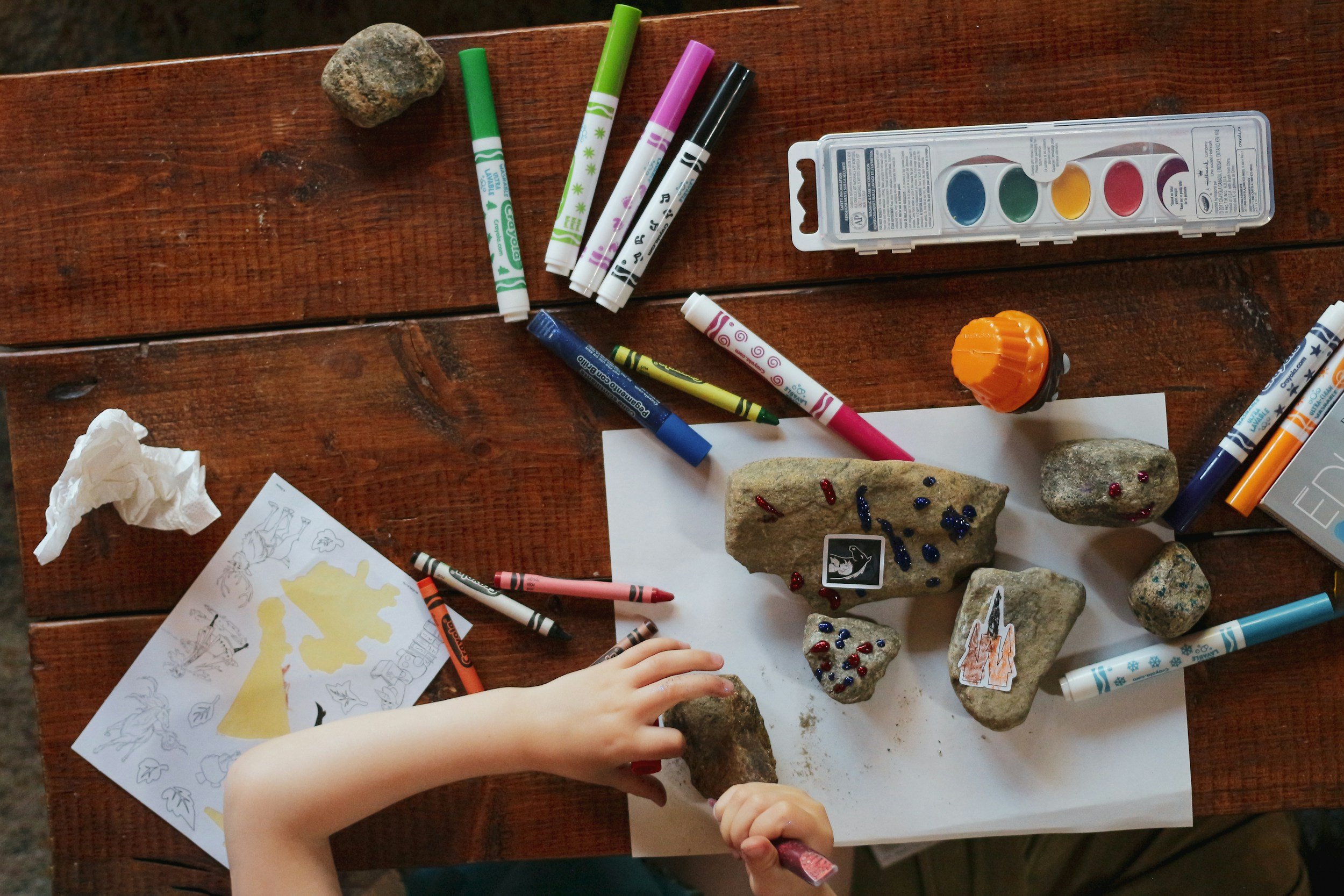
Children do not always communicate through conversation alone. Depending on their developmental stage, personality, and needs, they may express themselves more easily through play, creativity, movement, or hands-on activities.
Our therapists tailor treatment to the individual child. Depending on the clinician and your child's needs, therapy may include:
Play Therapy
Play gives children a natural way to explore feelings, relationships, worries, and experiences. In play-based sessions, a therapist can observe how a child expresses themselves, help them work through challenges, and support the development of emotional and relational skills.
Sand Tray Therapy
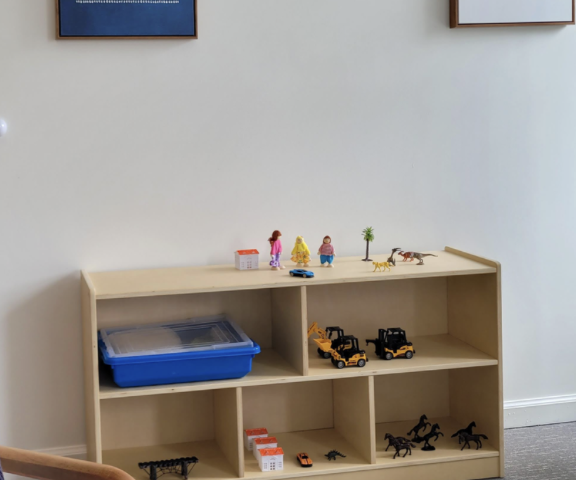
Sand tray therapy uses a tray of sand and miniature figures or objects to help children express and explore their inner experiences. Children can create scenes that represent their feelings, relationships, worries, or hopes without needing to explain everything in words.
Coping and Emotional Regulation Skills
Children can learn practical strategies for recognizing feelings, calming their bodies, tolerating frustration, and responding to difficult situations. Depending on the child's needs, treatment may incorporate mindfulness, cognitive behavioral strategies, or other skill-building approaches.
Support for Social and Relationship Challenges
Therapy can help children better understand their interactions with peers and family members, practice communicating their needs, and develop skills for navigating conflict and connection.
The approach will depend on your child's needs and the expertise of their therapist. Not every child will need the same type of therapy, and your clinician will work with you to identify an appropriate plan.
Why Parent and Caregiver Involvement Matters
When a child is struggling, parents often carry their own worries, questions, and frustration. You may wonder whether you are responding in the right way, how to set limits without escalating conflict, or how to help your child feel understood.
We believe that parents and caregivers are important partners in the therapeutic process. Depending on your child's treatment plan, therapy may include caregiver consultations, discussions about what you are noticing at home, and practical strategies to support progress between sessions.
Together, we can explore questions such as:
What might your child's behavior be communicating?
What helps your child feel safe, understood, and supported?
How can you respond to difficult emotions without reinforcing unhelpful patterns?
What skills can your child practice at home?
How can your family strengthen communication and connection?
Parent involvement is tailored to the child's age, needs, treatment goals, and privacy. Our aim is to help you feel better equipped to support your child while giving them an appropriate space to develop and grow.
What Happens in a Child Therapy Session?
The first step is learning about your child and your concerns. Your therapist will want to understand your child's developmental history, strengths, relationships, current challenges, and what you hope will change.
Depending on the clinician and treatment plan, the first appointment may involve meeting with a parent or caregiver before the child joins the process. Later sessions may include play, creative activities, conversation, skill-building, or other developmentally appropriate interventions.
Progress is not always a straight line. The goal is to help your child develop skills and understanding over time while giving your family support along the way.
Child Therapy at A Better Life Therapy
At A Better Life Therapy, we know that children are more than their hardest moments. A child who is having trouble managing emotions, navigating friendships, or adjusting to change is not simply a problem to solve. They are a person who deserves to be understood and supported.
Our clinicians bring different training and specialties to their work with children. We help families identify a therapist whose approach fits their child's needs, whether that means play-based therapy, sand tray therapy, skills-focused treatment, or another appropriate approach.
We offer child therapy at several locations in Pennsylvania and New Jersey, including Center City Philadelphia, Ardmore, New Hope, and Galloway. Our clinicians also provide child and family services in other settings where appropriate. Services and age ranges vary by therapist.
Find Child Therapy Near You
A Better Life Therapy offers child therapy in New Hope, Pennsylvania and Galloway, New Jersey.

Frequently Asked Questions About Child Therapy
What age can children start therapy at A Better Life Therapy?
Our child therapy services generally begin at age 5. The best fit depends on your child's developmental needs and the services offered by the individual clinician.
Does my child need to have a diagnosis?
No. Parents may seek therapy because of emotional, behavioral, social, or family challenges even when a child has no formal diagnosis. A therapist can help you understand what is happening and determine whether therapy may be useful.
Will I be involved in my child's therapy?
Yes. Parent and caregiver collaboration is an important part of our approach. The specific level of involvement depends on your child's age, needs, treatment goals, and privacy considerations.
What if my child does not want to talk?
Children are not expected to communicate only through words. Depending on their therapist's training and your child's needs, play, creative activities, and other developmentally appropriate methods may help them express themselves.
Do you offer play therapy and sand tray therapy?
Yes. Play therapy and sand tray therapy are available at our New Hope, Pennsylvania, and Galloway, New Jersey, locations. Availability depends on the clinician and appointment openings.
How do I find the right child therapist?
Contact our team with your child's age, the concerns you are noticing, and your preferred location. We can help you explore which clinicians and approaches may be appropriate.
Take the Next Step
You know your child better than anyone, and you do not have to figure everything out on your own. Therapy can give your child a place to feel understood and build new skills while helping you feel more confident in how you support them.
Contact A Better Life Therapy to explore child therapy and find a therapist who is a good fit for your family.
New Hope, Pennsylvania

Sara Dawson, LAPC
Works with children experiencing anxiety, depression, and loneliness, with a focus on creating a warm, affirming space. Sara also provides support for children exploring identity and LGBTQ+ experiences.

Francesca Depaul, MS, NCC works with children 5 and older in our New Hope, Pennsylvania office. Using play therapy, family therapy, and sand tray therapy, Francesca helps children communicate their feelings and learn how to cope while working closely alongside parents to create a plan for best supporting them.
Galloway (South Jersey)

Linda Schuler, LPC specializes in play therapy and sand tray therapy, helping children express emotions through creativity, movement, and symbolic play. Her work supports children using play therapy and sand tray therapy with challenges like anxiety, overwhelm, and emotional regulation.
Find Child Therapy Near You

We offer child therapy across multiple locations to make care accessible for families. Our team can help guide you to the best therapist for your child’s needs.
Frequently Asked Questions About Child Therapy
What age is child therapy for?
Our child therapy services are designed for children ages 5 and up. We tailor our approach based on your child’s developmental stage, using play-based and skill-based methods to meet them where they are.
How is child therapy different from therapy for teens?
Child therapy focuses more on play, creativity, and parent involvement, while teen therapy often includes more direct conversation and independence.
Will I be involved in my child’s therapy?
Yes. Caregiver involvement is an important part of effective child therapy. We work with parents to provide insight, tools, and support so progress continues outside of sessions.