Is Virtual Therapy Right for You?
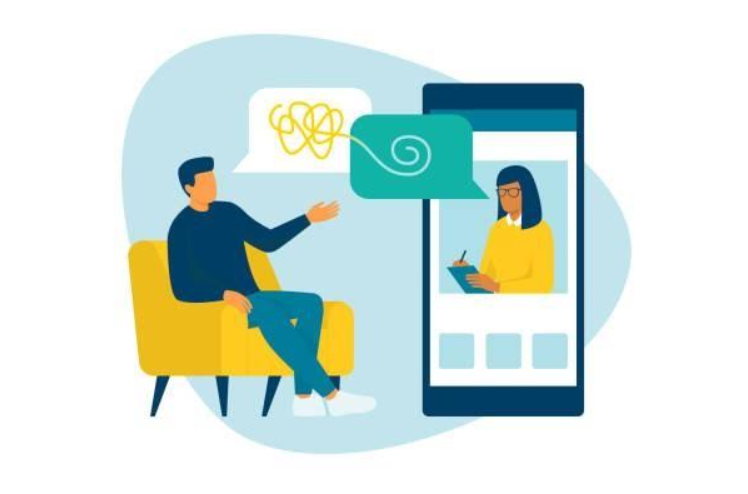
Ever wondered how effective virtual therapy really is? Does the idea of opening-up to a screen feel impersonal or even a little awkward? If so, you’re not alone. Many people share this hesitation when it comes to seeing a therapist online.
Traditionally, when we picture therapy, a few familiar images come to mind — sinking into a cozy couch, the soft glow of warm lighting, calming art on the walls, a box of tissues nearby, and a comforting presence seated across from you.
Then came March 2020. Practically overnight, the world of therapy was turned upside down as the COVID-19 pandemic forced therapists and clients alike to find safer ways to meet. Virtual therapy became the new norm — out of necessity at first, but later, by choice.
As the world gradually reopened, some clients happily returned to in-person sessions, while others found themselves preferring the convenience and comfort of therapy from home. Over the past few years, I’ve received many questions about whether virtual therapy is truly as effective as in-person sessions.
Fortunately, research has been catching up with this shift. One large study conducted in Sweden in September 2025 followed clients for six years – three before the pandemic and three during it. It examined outcomes for common mental health conditions such as depression, anxiety, obsessive-compulsive disorder, and post-traumatic stress disorder.
The results? Treatment outcomes remained consistent across both formats. Clients showed almost identical rates of improvement, as measured by standardized mental health assessments.
What mattered most wasn’t how therapy was delivered, but how it was done. The therapist’s quality of care was the real determining factor in successful outcomes, which included the strength of the therapeutic relationship, the use of evidence-based approaches, and consistent follow-up.
It’s worth noting that this research did not include certain populations, such as children, individuals with acute psychosis, or those experiencing severe mental health crises. For these cases, in-person support may still be necessary to ensure safety and proper care.
Here are some things to consider about virtual therapy…
Benefits of Virtual Therapy
Flexibility: You can schedule sessions more easily around work, childcare, or other commitments. No need to factor in travel or waiting room time.
Convenience and comfort: Many clients appreciate being able to attend therapy from their own homes — whether that’s in their favorite chair, with a pet nearby, or in a space that feels safe and familiar.
Cost and time savings: Eliminating the commute saves both time and transportation costs, which can make therapy more accessible overall.
Access to more therapists: Virtual sessions can expand your options — allowing you to connect with a therapist who’s the right fit for your needs, even if they’re not nearby.
Potential Drawbacks
Internet and technology limitations: A stable internet connection and a private space are essential for online sessions, which can be challenging for some clients.
Privacy concerns: If you live with others, it can be difficult to find a quiet, confidential spot to talk freely — particularly in situations involving domestic conflict or violence.
Severe mental health conditions: Individuals experiencing acute crises, suicidal thoughts, or severe mental illness may benefit more from in-person or intensive support settings.
Licensing restrictions: Therapists are typically only licensed to see clients within specific regions or states, which can limit availability depending on where you live.
With these considerations in mind, the decision between virtual and in-person therapy ultimately depends on what makes you feel most comfortable and supported. While research suggests both can be equally effective, therapy is never one-size-fits-all.
If you’ve been on the fence about virtual therapy, perhaps this insight offers some reassurance, and maybe even a gentle nudge to ‘left click’ on this option and give it a try!

Mary Fung-A-Fat, LPC is a therapist in Philadelphia, Pennsylvania. Mary offers services online through our HIPAA compliant platform. She supports individuals and couples as they learn to navigate the end of relationships. To schedule an appointment click here.
A BETTER LIFE THERAPY
A Better Life Therapy was founded in 2013 with a passion for providing warm, compassionate services to individuals and families in Pennsylvania. Our team specializes in relationship health as well as individual mental health. Our team has expertise in areas like anxiety, grief, depression, pregnancy related issues, sexual issues, substance use and trauma.
We Currently Have In Person Offices In:
Bucks County, Pennsylvania
Philadelphia, Pennsylvania
The Main Line, Pennsylvania
The Jersey Shore
The Lehigh Valley, Pennsylvania
Email us info@abetterlifetherapy.com
Call 267-838-0066
Services:
Read about our individual services
Read about our couples therapy services