
Attachment
Article by Raven Wilkerson, MS
Humans are born needing attachment. Attachment is our main source of survival. We need protection, affection, and safety to grow and progress. In our early age (and I would argue throughout on-going relationships) we learn who is safe and who cannot be trusted which informs how we interact with the world and others. Attachment allows us to determine who is present and who will love us. There are 4 main attachment styles commonly used to provide the framework for how we navigate intimacy, communication, and trust.
These 4 attachment styles are secure, anxious, avoidant, and fearful-avoidant.
Secure: Comfortable with closeness and trust
Anxious: Craves reassurance and fears rejection
Avoidant: Values independence and emotional distance
Fearful-Avoidant: Desires closeness but fears intimacy
The foundation for stable, trusting relationships is secure attachment.
So how do we work toward gaining and maintaining secure attachments? One way is through healthy physical touch. Healthy physical touch can soothe, provide reassurance, or demonstrate desire, making it a pillar of secure attachment, which is predicated on one's ability to regulate emotions, feel safe, and respond well to intimacy. Having this understanding, let's talk more about touch.
I have some questions for you:
What is your comfort level with physical touch?
How do you like to be touched?
How much touch is too much?
Is there such a thing as too much touch?
What about too little touch?
Do you feel comfortable communicating when you are in need of touch?
When's the last time you received safe, desired touch?
While you answer those questions, here are some interesting facts I've gathered while reading the book "Touching: The Human Significance of Skin" By Ashley Montagu.
Skin is the largest sensory organ.
Touch is considered "the mother of senses".
The need for physical touch is tied to our survival. This was first highlighted in orphanages where there were alarming rates of deaths amongst the infants. This led to the dismantlement of orphanages in America. There was an understanding that infants thrive on tender love and care.
Women can recieve sexual stimulation from breast feeding. Don't be alarmed, this is beneficial to both mother and baby. Breastfeeding and tender touches during infancy can promote a healthy sexual relationship into adulthood.
Being touched regularly can lower your heart rate and blood pressure. It can lessen depression and anxiety, boost the immune system, and relieve pain!
Touch is the true language of sex. It is a desired nonverbal form of communication, and it is not rare for it to be used as a vehicle to feel touch.
Feeling uncomfortable exploring this topic, or with receiving or giving physical touch?
Here are some tips:
Be curious. Have open conversations with trusted family members, close friends, partners, or a mental health professional who can provide an opportunity to reflect on your experiences with physical touch. Building awareness in a safe and supportive environment can be an important step toward developing greater comfort and security with physical affection or touch.
Reach back, and consider your early childhood experiences, specifically your early experiences with touch. Did these experiences foster an environment that supports an openness to intimacy, or did they provide the foundation for an aversion to physical contact?
Try theapeutic somatic exercises such as, the butterfly hug, or supportive touch.
Assess and evaluate your boundaries, and your comfort with boudnary setting. Sometimes our boundaries develop due to past traumas, or unfavorable experiences. Having authority over one's body and how you receive or give physical touch can be the stepping stone to developing confidence and a healthier relationship with the topic.
Self-exploration. This can be done through body mapping, which provides you with the structure to explore the physical sensations in your body. This can be informative and improve your ability to release tension and emotions that create barriers to a healthy relationship with touch
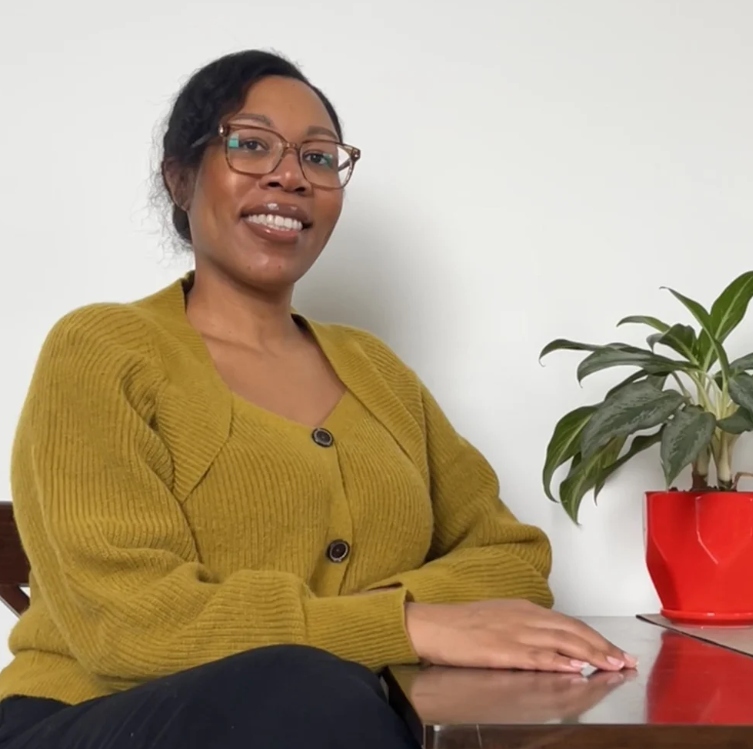
Raven Wilkerson, MS is a therapist in Easton, Pennsylvania. Raven offers services in person at our Lehigh Valley location and online through our HIPAA compliant platform. She supports couples, families, and individuals, as they navigate anxiety, depression, life transitions, trauma, self-identity, and conflict resolution. To schedule an appointment click here.
ABOUT A BETTER LIFE THERAPY:
A Better Life Therapy was founded in 2013 with a passion for providing warm, compassionate services to individuals and families in Pennsylvania. Our team specializes in relationship health as well as individual mental health. Our team has expertise in areas like anxiety, grief, depression, pregnancy related issues, sexual issues, substance use and trauma.
We currently have in person offices in:
Bucks County, Pennsylvania
Philadelphia, Pennsylvania
The Main Line, Pennsylvania
The Jersey Shore
The Lehigh Valley, Pennsylvania
Virtual Locations
If you prefer to do therapy from the comfort of your home, workplace, or while out in a park,check out our virtual locations. Right now we are able to offer virtual therapy for people residing in:
Colorado
Delaware
Florida
New Jersey
New York
Pennsylvania
Utah
Email us info@abetterlifetherapy.com
Call 267-838-0066
Services:
Read about our individual services
Read about our couples therapy services